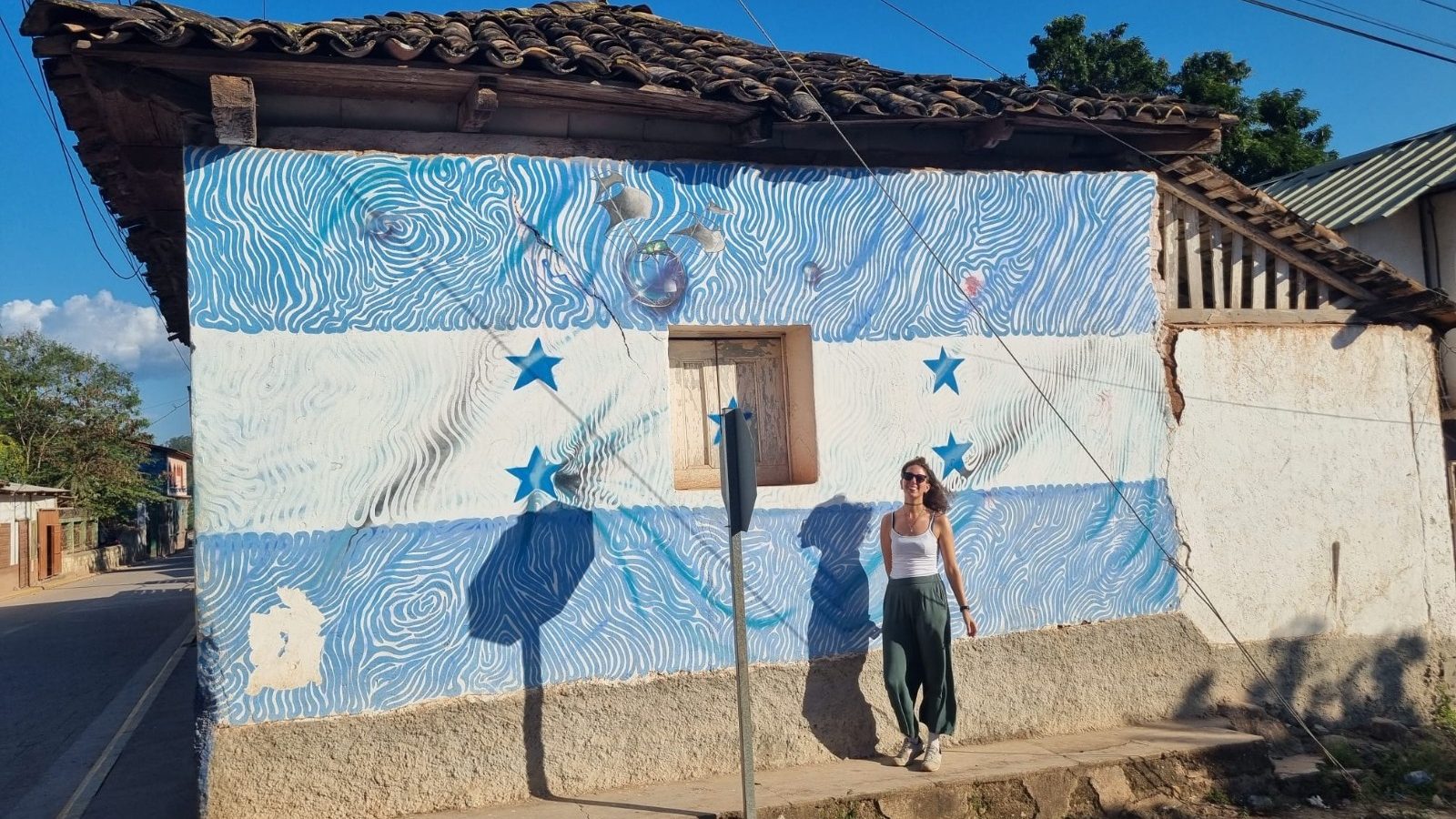
5 months in Honduras, 5 months in Trinidad, 5 months with educate. It has been a time full of new experiences, insights and emotions.
I am Kathi, 28 years old and from Germany, and I was in Trinidad, Honduras from October 2024 to March 2025 working as a volunteer with the organization educate.
In this blog, I share how I came to volunteer at educate., what my experience was like, and some things I wish I would have known beforehand!
How it all started
In April 2023, I received an email via the mailing list of my university degree programme. At the time, I was looking for work opportunities, and reading the email from Antonia (educate.’s founder) that the organization was looking for volunteers who wanted to become part of the organization for a few months, sounded exciting. I ended up getting another job offer for a year in Germany however, so for the time being I rejected the idea of going to Honduras.
But the idea of going abroad again didn’t let go of me, so a year later I contacted Antonia again and asked whether the opportunity was still available. She was very happy to hear from me, we wrote a few emails, has some videocalls, and a few weeks later I had booked my flight to San Pedro Sula, Honduras’ industrial capital.
I was still unaware of how this time would change my life.
Heading to Honduras
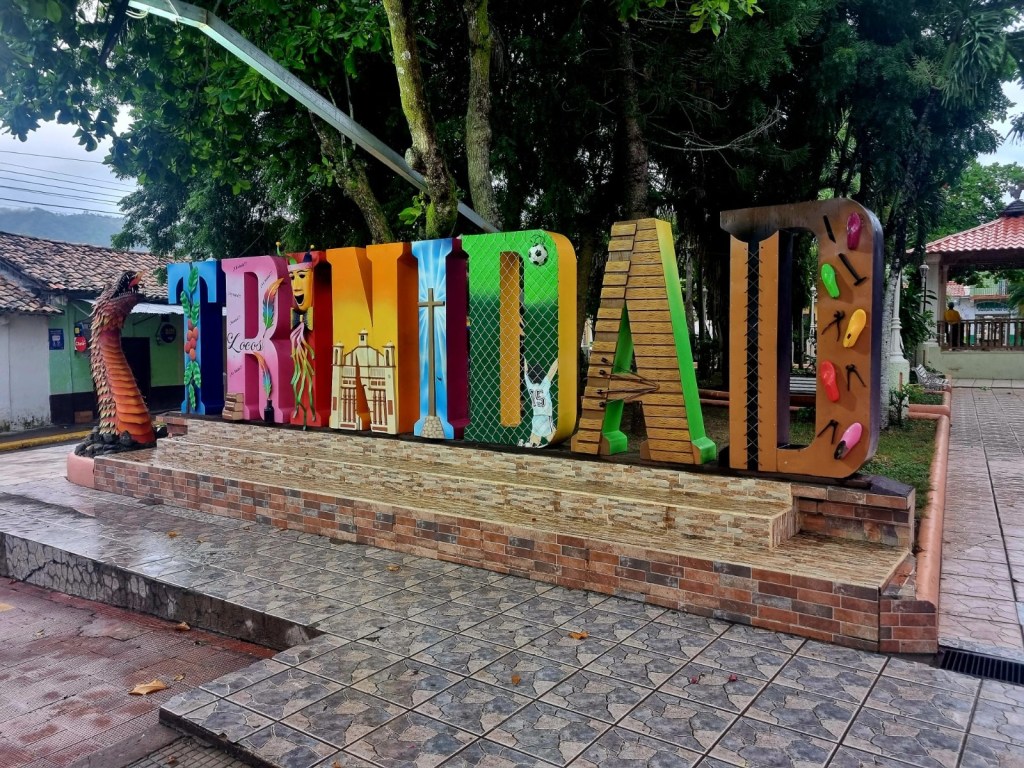
With a giant suitcase packed up and tears in my eyes, I said goodbye to my two best friends at Düsseldorf Airport on October 21, 2024. I wasn´t amused by the three flights it took to get to Honduras, especially with a 13-hour transfer in Atlanta, but I knew it would be worth it. In San Pedro Sula, I was picked up by a member of educate.’s team, Orlin, who drove me to Trinidad. I remember being completely exhausted and overwhelmed by the heat.
Once we got there, I briefly got to know the organization and their Youth Center and Library, and then went out with Natalia (educate.’s director) to buy baleadas (the Honduran national dish, flour tortillas filled with beans and cheese). At the time, I didn’t know that they would become my staple food for the next few months, and that I would miss them so much back in Germany. Afterwards, Natalia took me to my accommodation. The only thing I managed to do there before I fell into bed was to hang up my mosquito net.


Getting adjusted
I have to be honest and admit that my first weeks in Trinidad were a bit of an up and down experience, and I had more than just a little culture shock at the beginning. Due to a year of voluntary service in Chile and other shorter stays in South American countries, I had certain ideas about what to expect in Honduras. However, I learned that you can’t compare South and Central America, or Latin American countries in general, with each other. Of course, there are certain similarities, but every country is different. And it also makes a big difference whether you live in a big city or a small village. So, I spent the first few weeks learning and getting used to the fact that there is no hot water, that sometimes there is no running water (although there is a large water basin called a pila outside the apartment from which you can always get water), that various insects and reptiles lived in my apartment with me, and that there is sometimes no electricity (but this happens rather rarely). But after a short time, all these things have become a matter of course for me, so much so that I find it strange to emphasize them now. I remember that these were things I would have liked to have known beforehand, which is why I’m writing them down here.
Another thing I had to learn to deal with was my “foreigner status” in Trinidad. Tourism in Honduras tends to focus on the islands or coastal regions and larger cities such as San Pedro Sula or Tegucigalpa, which meant that as a German I was a special case in the little town of Trinidad. When I walked through the streets for the first few days, all eyes were on me, as if I were an alien from another planet, and I often didn’t feel entirely at ease. But after a short time, I got to know a lot of people through Natalia, and my discomfort quickly turned into a feeling of having arrived. I walked through the streets and many people greeted me by name and came up to me to talk to me and ask how work was going in the library. And so I quickly went from being an alien to being part of the village.


Working at educate.
That brings me to report on the work in the organization! At the beginning, everything that Natalia and Antonia had told me about the work was somehow very abstract, and I couldn’t really imagine what it meant, but after a short time I understood more and more about the processes, especially because I was involved in almost all the work steps.
From Tuesdays to Fridays, administrative tasks are carried out in the library. When new applications for the scholarships that educate. awards are received, this means, for example, looking through applications, checking whether they are complete, sorting them according to the various schools and then checking whether the criteria are met. I accompanied the team to the different rural villages around Trinidad where we met with scholarship students’ families, too.


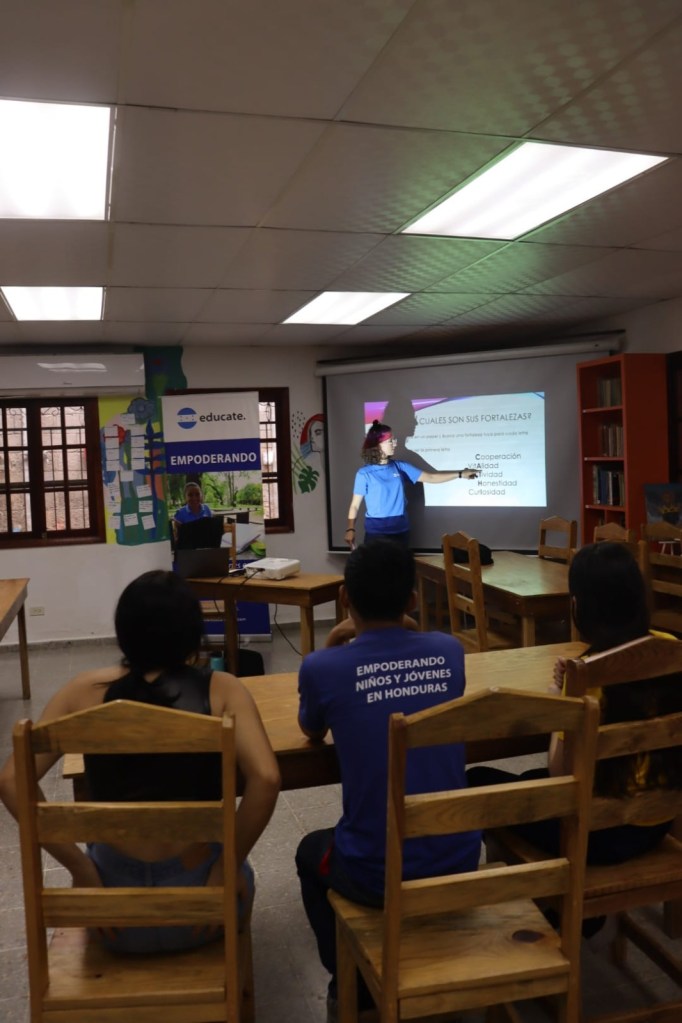
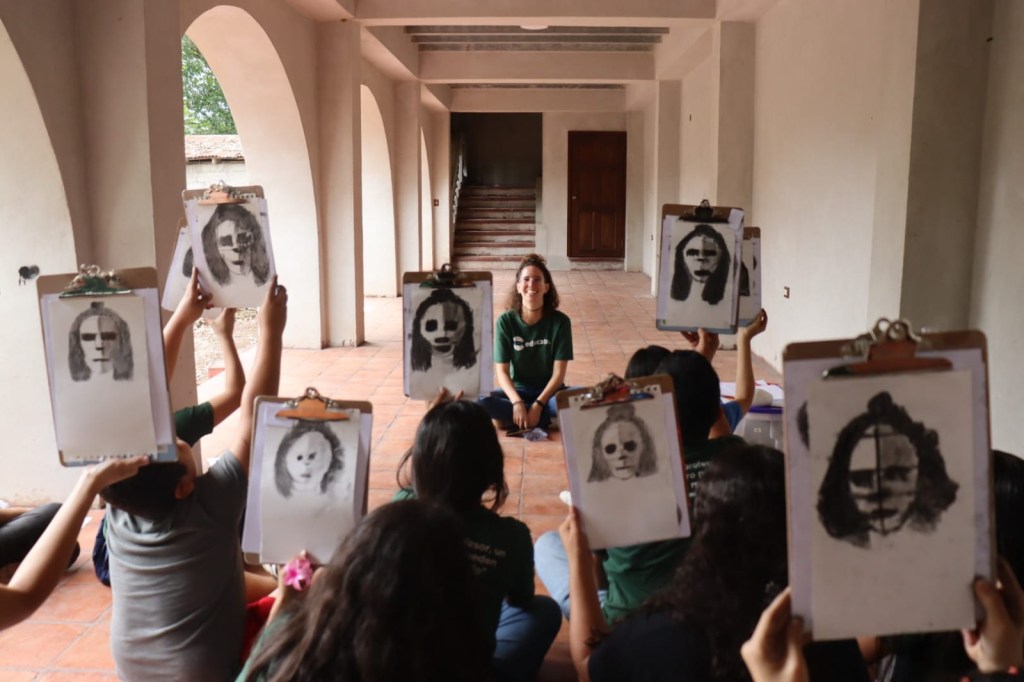
Then, if the young people receive a scholarship, they are obliged to take part in one of the four programs, which always take place on Saturdays. This means that we have to work on Saturdays, where everything revolves around the four programs: art, sport, communications, and technology. On Saturdays, my role involved helping to make sure that all the scholarship students were there, providing each group with their materials, taking photos, and supporting activities.
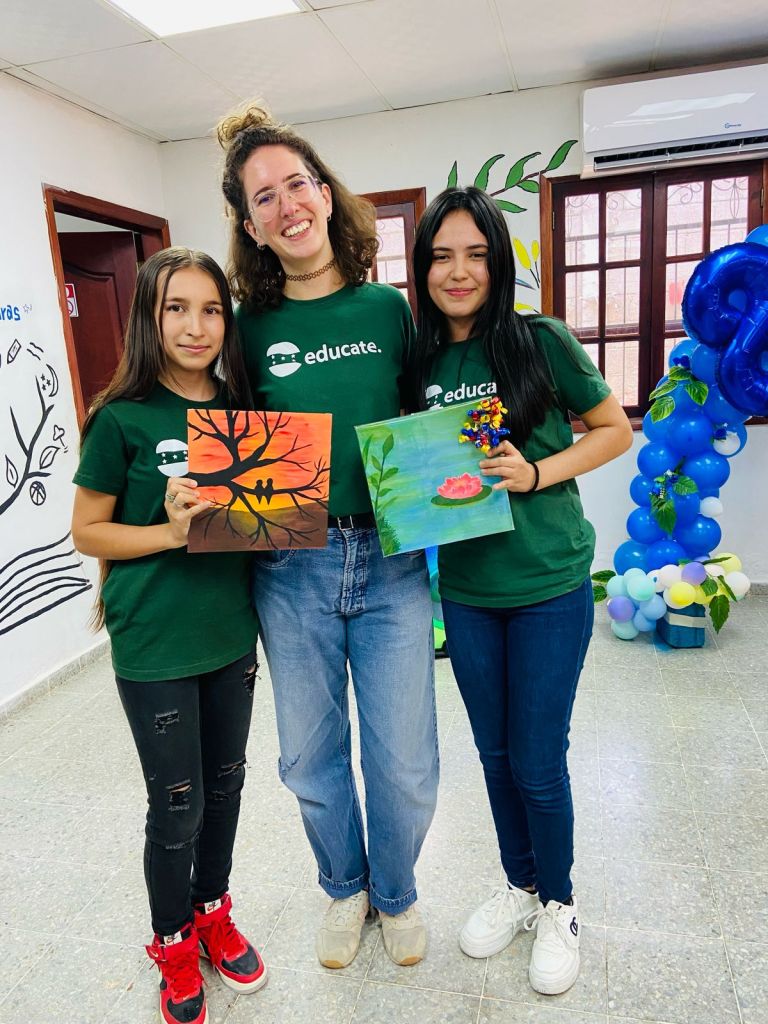
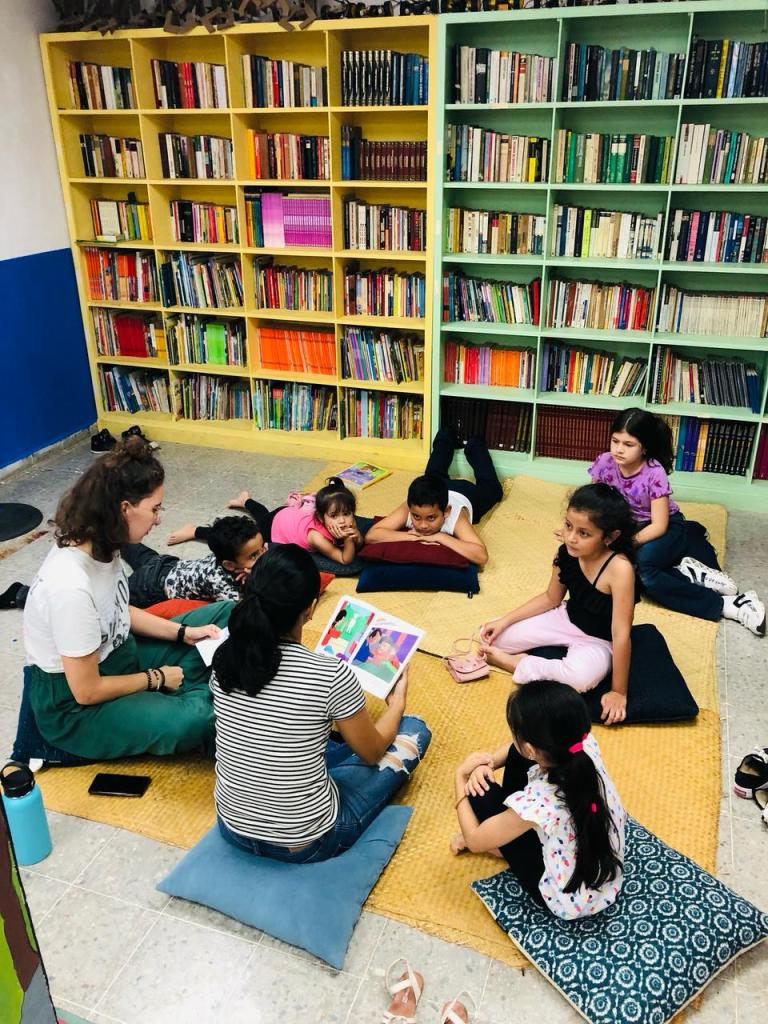
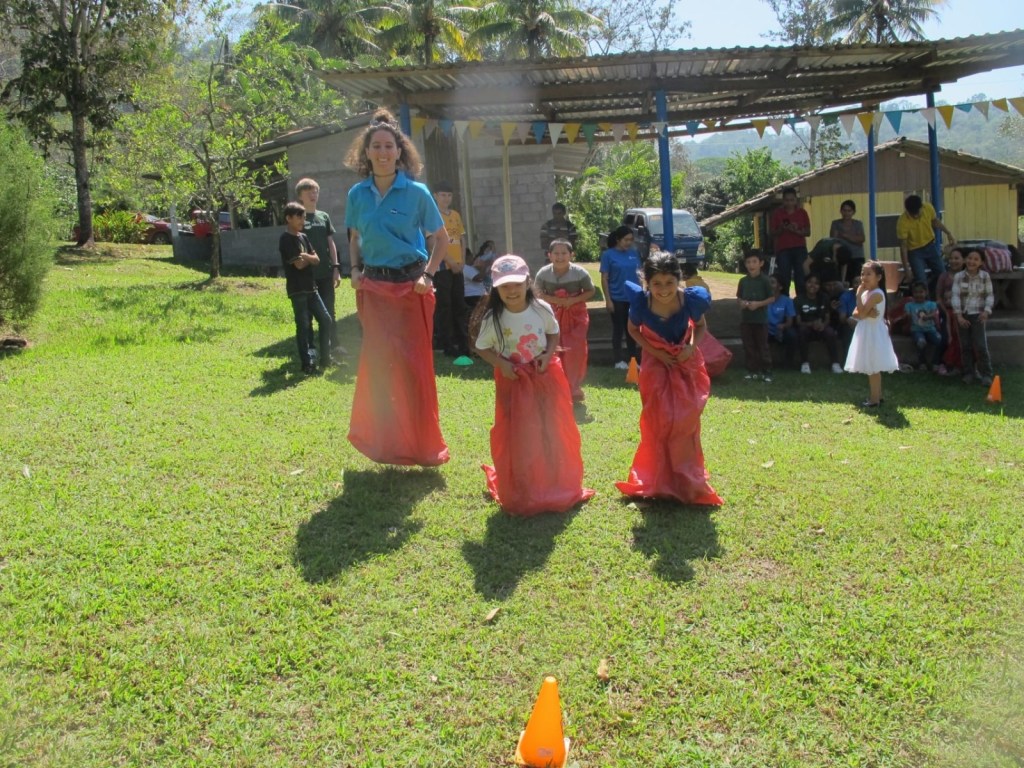
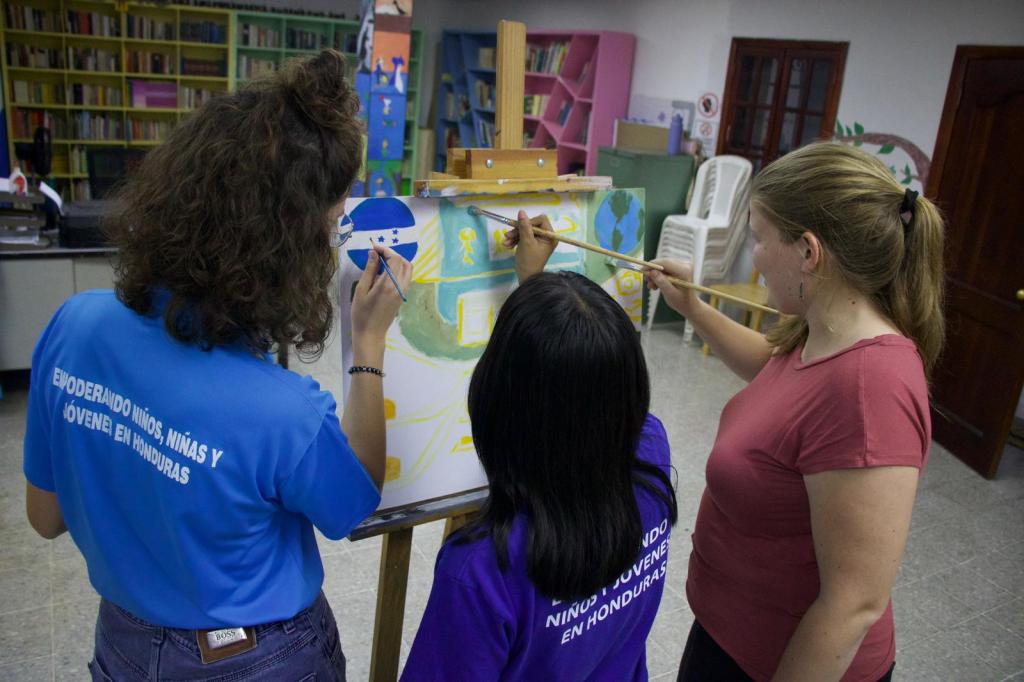
When we weren’t in the scholarship application process, my day-to-day tasks consisted of keeping track of the programs, planning and preparing special events such as training courses for youth leaders, community events to the surrounding regions, or my own small project: the weekly reading and painting circle for children.
The working atmosphere in the library was always very relaxed. We usually had breakfast together in the morning and also sat together at the table at lunchtime and talked a lot about the differences and similarities between Honduras and Germany.
Free time and travels
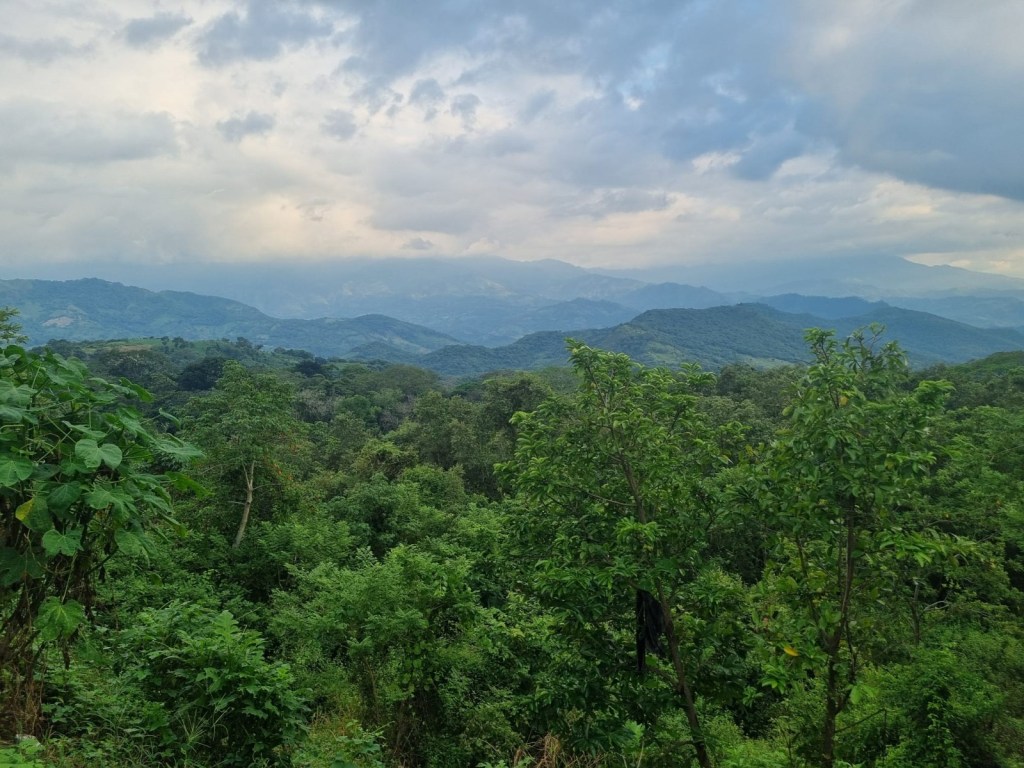
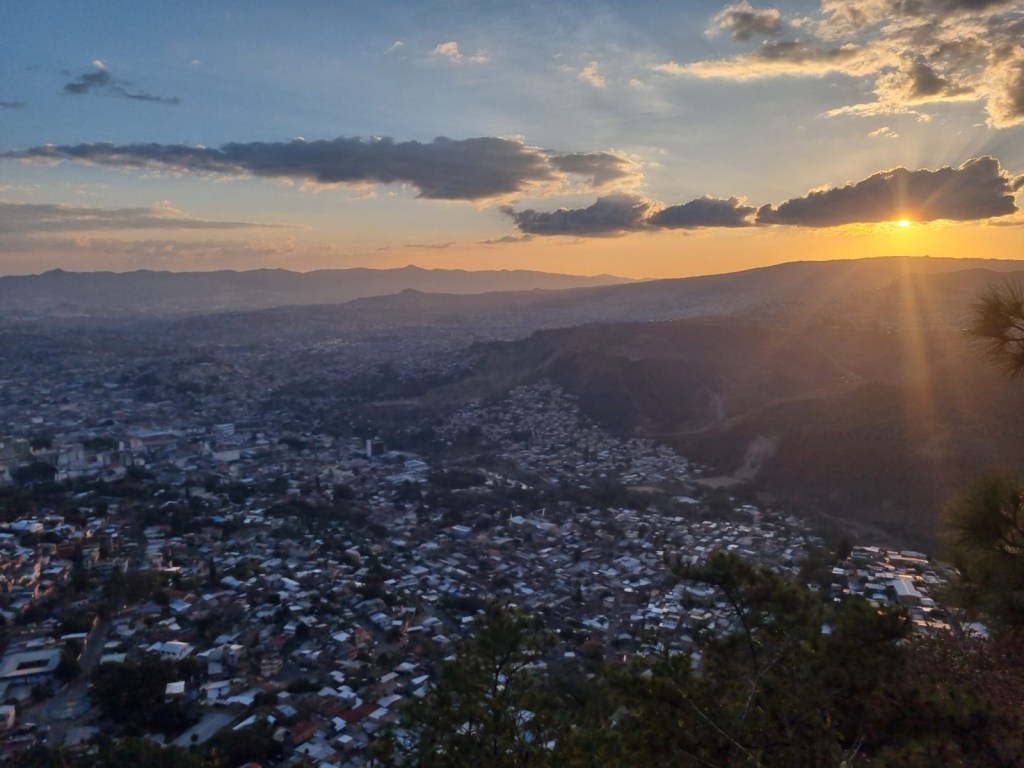
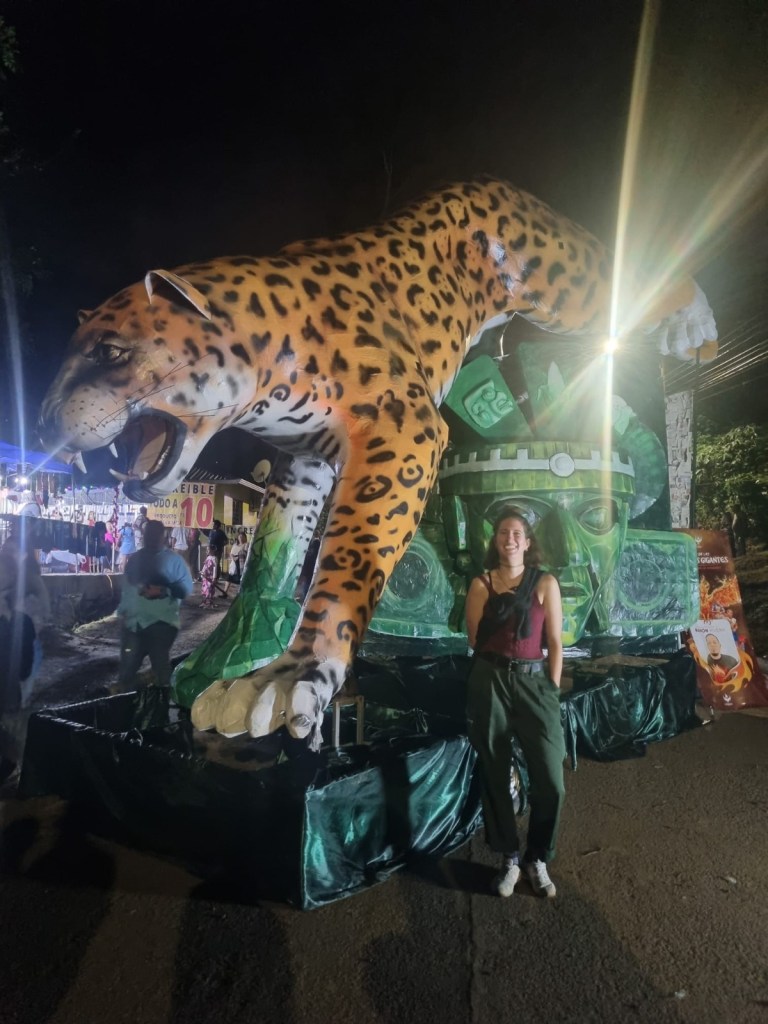
In addition to my work, I naturally used my free time to get to know the country and the people. At the beginning, I found it a bit difficult to build up my own circle of friends, as there aren’t that many opportunities to do things in Trinidad – unless it’s about soccer, which I feel is the only thing I don’t really like. However, once I had made a few contacts, I made friends with whom I did a lot of things and through whom I was able to get to know a lot of the surrounding area. I was always impressed by the views and the eternal greenery that you see. I could spend hours in a car or on a bus looking out of the window and never get bored! Plus, all the potholes in the roads make every drive an adventure. These trips were usually accompanied by interesting and funny conversations and delicious food.


In Germany, I´m vegetarian. However, I quickly realized that this way of life is not yet so widespread in Trinidad and that there are not so many alternatives. As a compromise, I ate chicken from time to time and I would generally recommend the typical dish pollo chuco (fried chicken and plantains) to everyone. But I also learned over time that I could simply order a composed plate without meat for lunch – with things like beans, rice, salad, egg, plantains, and tortillas. I usually got a little extra salad, cheese or avocado, and usually even had to pay less. My favorite dish, the baleadas, which I had for breakfast almost every day, are generally meat-free.

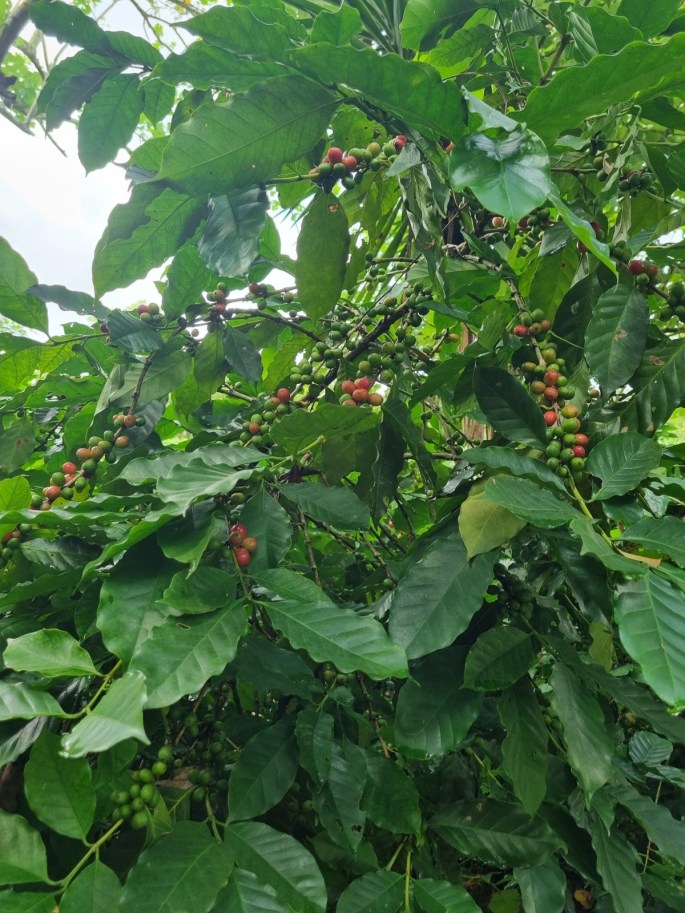
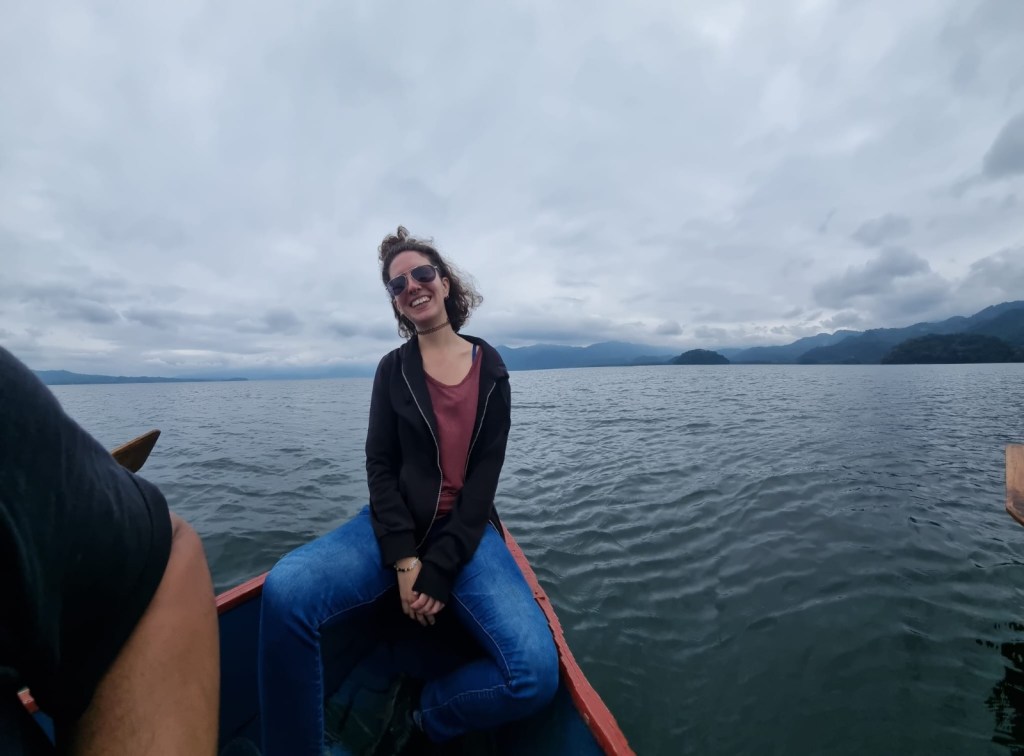
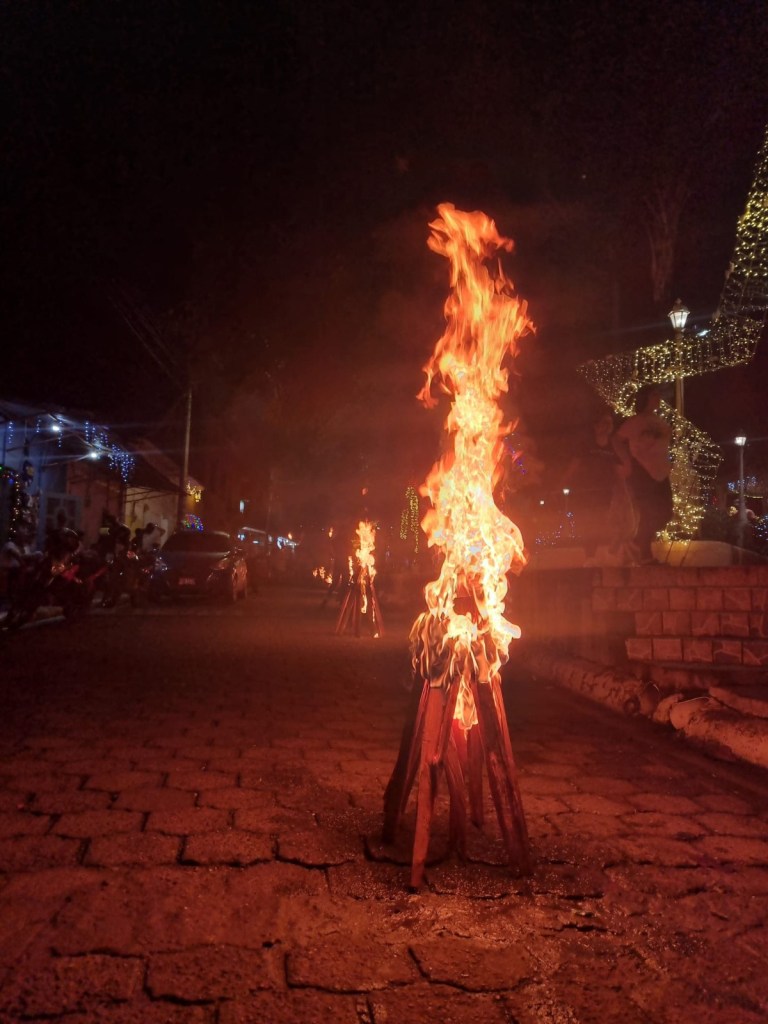
To sum up, the 5 months were a bit bumpy at the beginning because I simply had a different idea of life on site, and because I was still a bit reserved to speak Spanish at the start. After some time however, when I felt more familiar with the Spanish language again, I approached people more openly, got more involved in the programs, and sometimes even took on my own units. With each day, I got more and more used to my new surroundings and the people made it incredibly easy for me to feel more comfortable every day. Everyone was so incredibly nice and welcoming that I ended up flying back to Germany with lots of new friendships.
My takeaway from this is that sometimes you really have to jump over your own shadow and actively approach people, even if it doesn’t always work out with the language. At the end of the day, everyone was always super grateful and happy to talk to me.
After I had managed all the goodbyes in Trinidad without tears, I found myself sitting at my gate crying after I had said goodbye to my best friend at the airport, and after the security check I really realized that my time in Honduras was over (for now). But as a friend said: every day I’m in Germany is one day less until I get back to Honduras!

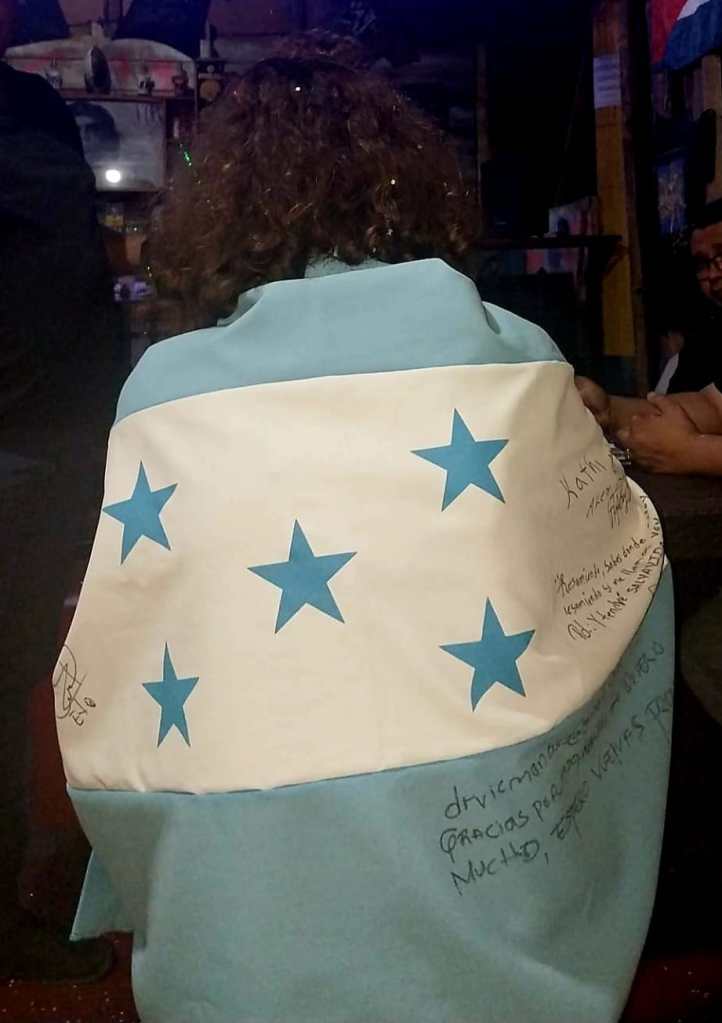
To learn how you can join educate. as a volunteer in Trinidad, Honduras, check out our volunteer page.
5 meses en Honduras: La experiencia de voluntariado de Kathi con educate.
5 meses en Honduras, 5 meses en Trinidad, 5 meses con educate. Ha sido un tiempo lleno de nuevas experiencias, aprendizajes y emociones.
Soy Kathi, tengo 28 años y soy de Alemania. Estuve en Trinidad, Honduras desde octubre de 2024 hasta marzo de 2025 trabajando como voluntaria con la organización educate.
En este blog comparto cómo llegué a hacer voluntariado con educate., cómo fue mi experiencia, y algunas cosas que me hubiera gustado saber antes!
Cómo empezó todo
En abril de 2023 recibí un correo a través de la lista de distribución de mi carrera universitaria. En ese momento estaba buscando oportunidades laborales, y leyendo el mensaje de Antonia (la fundadora de educate.), diciendo que la organización buscaba voluntarios para formar parte del equipo por algunos meses, me pareció muy emocionante. Sin embargo, terminé aceptando otra oferta laboral en Alemania por un año, así que por el momento descarté la idea de ir a Honduras.
Pero la idea de volver a salir al extranjero no me dejaba tranquila, así que un año después contacté a Antonia nuevamente y le pregunté si la oportunidad seguía disponible. Estaba muy contenta de escuchar de mi nuevamente, intercambiamos algunos correos, hablamos por videollamada unas cuantas veces, y unas semanas después ya tenía mi vuelo reservado hacia San Pedro Sula, la capital industrial de Honduras.
Todavía no sabía cómo este viaje me cambiaria la vida.
Llegando a Honduras
Con una maleta gigante y lágrimas en los ojos, me despedí de mis dos mejores amigas en el aeropuerto de Düsseldorf el 21 de octubre de 2024. No me apetecían mucho mis tres vuelos para llegar a Honduras, especialmente con una escala de 13 horas en Atlanta, pero sabía que valdría la pena. En San Pedro Sula, me recogió Orlin, un miembro del equipo de educate., quien me llevó hasta Trinidad. Recuerdo que estaba completamente agotada y sufriendo por el calor.
Una vez allí, conocí brevemente la organización y su Centro Juvenil y Biblioteca, y luego salí con Natalia (la directora de educate.) a comprar baleadas (el plato típico hondureño: tortillas de harina rellenas de frijoles y queso). En ese momento no sabía que se convertirían en mi comida base durante los siguientes meses, y que las extrañaría tanto de regreso en Alemania! Luego, Natalia me llevó a mi alojamiento. Lo único que alcancé a hacer antes de caer rendida en la cama fue colgar el mosquitero.
Adaptándome
Tengo que ser sincera y admitir que mis primeras semanas en Trinidad fueron un poco de altibajos y tuve más que un pequeño choque cultural al principio. Debido a un año voluntario en Chile y otras estancias más cortas en países sudamericanos, tenía ciertas ideas sobre qué esperar en Honduras. Pero aprendí que no se puede comparar Sudamérica con Centroamérica, ni los países latinoamericanos entre sí. Por supuesto hay ciertas similitudes, pero cada país es distinto. Y también es muy diferente vivir en una ciudad grande a vivir en un pueblo pequeño.
Así que pasé las primeras semanas aprendiendo y acostumbrándome al hecho de que no hay agua caliente, que a veces no hay agua de la llave (aunque hay una pila afuera del apartamento de la que siempre se puede sacar agua), que varios insectos y reptiles vivían conmigo en el apartamento, y que a veces no hay electricidad (aunque eso es poco común). Pero con el tiempo, todas estas cosas se convirtieron en algo tan normal que ahora me resulta extraño destacarlas tanto. Pero recuerdo que eran cosas que me habría gustado saber antes, y por eso las comparto aquí.
Otra cosa que tuve que aprender fue mi “estado de extranjera” en Trinidad. El turismo en Honduras se concentra más en las islas, zonas costeras o ciudades grandes como San Pedro Sula o Tegucigalpa. Eso significaba que, como alemana, yo era una rareza en el pequeño pueblo de Trinidad. Cuando caminaba por las calles en los primeros días, todos me miraban como si fuera un extraterrestre de otro planeta, y a menudo no me sentía muy cómoda. Pero al poco tiempo conocí a mucha gente a través de Natalia y mi incomodidad se convirtió rápidamente en la sensación de pertenencia, de haber llegado. Caminaba por las calles y mucha gente me saludaba por mi nombre y se me acercaban para conversar y preguntarme cómo iba el trabajo en la biblioteca. Así que rápidamente pasé de ser una extraña a formar parte del pueblo.
El trabajo con educate.
¡Y eso me lleva a contar sobre el trabajo en la organización! Al principio, todo lo que Natalia y Antonia me habían contado sobre el trabajo me sonaba algo abstracto, y no podía visualizar bien qué significaba, pero en poco tiempo comprendí cada vez mejor los procesos, sobre todo porque me involucraron en casi todos los pasos del trabajo.
De martes a viernes se realizan tareas administrativas en la biblioteca. Cuando se reciben nuevas solicitudes para las becas que otorga educate., eso implica revisar si están completas, ordenarlas según los centros educativos, y verificar si se cumplen los criterios. También acompañé al equipo a diferentes aldeas rurales alrededor de Trinidad, donde nos reuníamos con las familias de las y los becados.
Si los jóvenes obtienen una beca, están obligados a participar en uno de los cuatro programas, que se llevan a cabo los sábados. Esto significa que siempre hay que trabajar los sábados, donde todo gira en torno a los cuatro programas: arte, deporte, comunicaciones y tecnología. Mi papel los sábados consistía en asegurar que todos los becados estuvieran presentes, proporcionar materiales a cada grupo, tomar fotos y apoyar en las actividades.
Cuando no estábamos en proceso de selección de becas, mis tareas diarias consistían en hacer seguimiento a los programas, planificar y preparar eventos especiales como capacitaciones para jóvenes líderes, actividades comunitarias en regiones cercanas, y mi pequeño proyecto personal: el círculo de lectura y pintura semanal para niños y niñas.
El ambiente de trabajo en la biblioteca era siempre muy relajado. Por lo general, desayunábamos juntos por la mañana y también nos sentábamos juntos a la mesa a la hora del almuerzo, conversando mucho sobre las diferencias y similitudes entre Honduras y Alemania.
Tiempo libre y viajes
Aparte de mi trabajo, aproveché mi tiempo libre para conocer el país y a su gente. Al principio me costó un poco crear mi propio círculo de amigos, ya que en Trinidad no hay tantas actividades para hacer, salvo fútbol (que es, irónicamente, lo único que no me gusta). Pero una vez que hice algunos contactos, hice amigos con quienes salía mucho y gracias a eso pude conocer muchas áreas de los alrededores. Siempre me impresionaban las vistas y el verde infinito que se ve en todos lados. ¡Podía pasar horas viajando en carro o en bus mirando por la ventana y no aburrirme nunca! Además, todos los baches en las carreteras hacen que cada viaje sea una aventura. Estos viajes solían ir acompañados de conversaciones interesantes y divertidas, y comida deliciosa.
En Alemania soy vegetariana. Pero rápidamente me di cuenta de que este estilo de vida aún no es muy común en Trinidad, y que no hay tantas opciones alternativas. Como solución de compromiso, decidí comer pollo de vez en cuando y en general recomendaría el plato típico “pollo chuco” (pollo frito con tajadas de plátano) a todo el mundo. Con el tiempo también aprendí que podía pedir un plato sin carne para el almuerzo, con cosas como frijoles, arroz, ensalada, huevo, plátano y tortillas. A menudo me daban un poco más de ensalada, queso o aguacate, y normalmente incluso tenía que pagar menos. Mi plato favorito, las baleadas, que desayunaba casi todos los días, no suelen llevar carne.
En resumen, los primeros días fueron un poco difíciles porque simplemente tenía una idea diferente de cómo sería la vida en Trinidad, y además porque al principio todavía era un poco reservada a hablar español. Sin embargo, con el tiempo, cuando me sentí más cómoda hablando español, me acerqué más a la gente, me involucré más en los programas, e llegué a liderar actividades por mi cuenta. Cada día me sentía más acostumbrada a mi nuevo entorno, y la gente hacía que cada día me sintiera más cómoda. Todo el mundo era tan amable y cariñoso que volví a Alemania con muchas nuevas amistades.
Lo que me llevo de todo esto es que a veces uno realmente tiene que salir de su zona de confort y acercarse activamente a la gente, incluso si el idioma no fluye perfecto. Al final del día, todos estaban muy agradecidos y encantados de hablar conmigo.
Después de lograr todas las despedidas en Trinidad sin lágrimas, me encontré sentada en mi puerta de embarque llorando después de despedirme de mi mejor amiga en el aeropuerto. Fue ahí, tras el control de seguridad, que realmente me di cuenta que mi tiempo en Honduras había terminado (por ahora). Pero como me dijo un amigo: cada día que estoy en Alemania es un día menos hasta que vuelva a Honduras.
Para saber cómo puedes hacer un voluntariado con educate. en Trinidad, Honduras, consulta nuestra página de voluntariados.
 educate.