In the rural communities of Santa Bárbara, Honduras, girls face significant barriers to education and access to information about their bodies, rights, and health. Many girls begin experiencing puberty without clear information about menstruation or changes to their bodies. To manage their periods, girls who struggle to afford sanitary towels or tampons instead use cloths and rags, which increases the risks of infection. Lack of access to menstrual products also often means missing several days of class each month, impacting educational outcomes.
By reaching girls early with tailored workshops about menstrual health, sexuality, and other topics, we can ensure that girls understand the changes in their bodies and approach them with confidence rather than shame. This is a first step towards preventing adolescent pregnancy, reducing gender-based violence, and ensuring girls are able to make informed decisions about issues that affect their lives.
At educate., we address the interconnected challenges of school dropout, early pregnancy, and the lack of access to menstrual products and sexual health education. While we work with both young men and women, we recognize the specific needs of girls in rural communities, and work hard to support adolescent girls in staying in school, understand their rights, and build the confidence to shape their own futures.
In 2025, thanks to an Igniting Impact micro-grant from the Migration Children’s and Youth Platform (MYCP), we ran a pilot initiative called LeadHers of Tomorrow that engaged 91 young people in workshops on menstrual justice, gender equality, and sexual health at our Youth Center in Trinidad, Santa Bárbara.
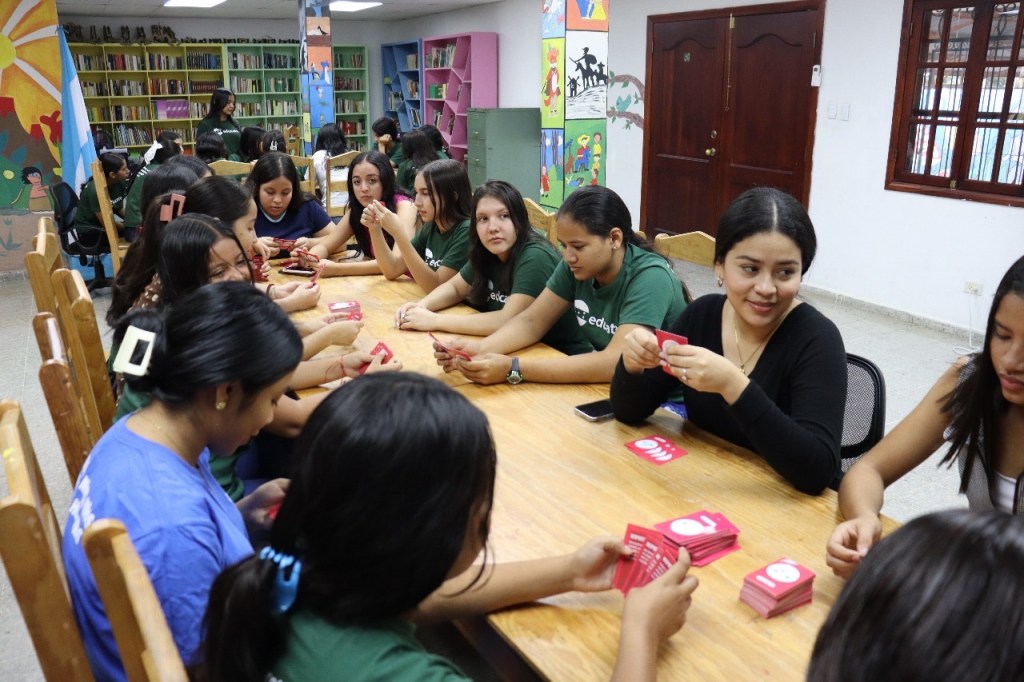
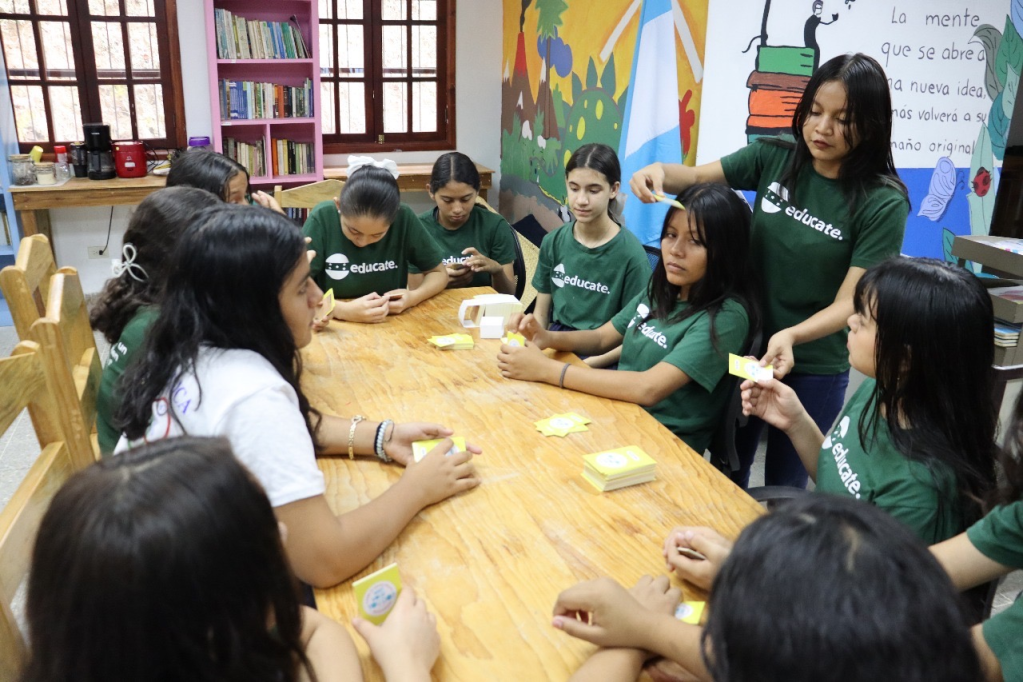
Playing the Girls’ Rights card game, ‘What would you do?’
Bringing Critical Knowledge to Rural Girls
At our Youth Center – a community-led space in the town center where we run a variety of programmes for young people – we gathered participants for interactive workshops, covering topics such as the menstrual cycle, self-care, and taboos and cultural norms. These sessions created spaces where girls could learn about their bodies, their rights, and their health, and ask questions openly.
The workshops reached both primary and secondary school students, including:
4 secondary school girls who were trained as workshop facilitators,
27 girls in 5th and 6th grade from rural primary schools who attended workshops focused on their rights, menstrual health, and confidence-building,
and 60 adolescents of secondary school age who participated in workshops on gender equality, sexual health, and menstrual justice.
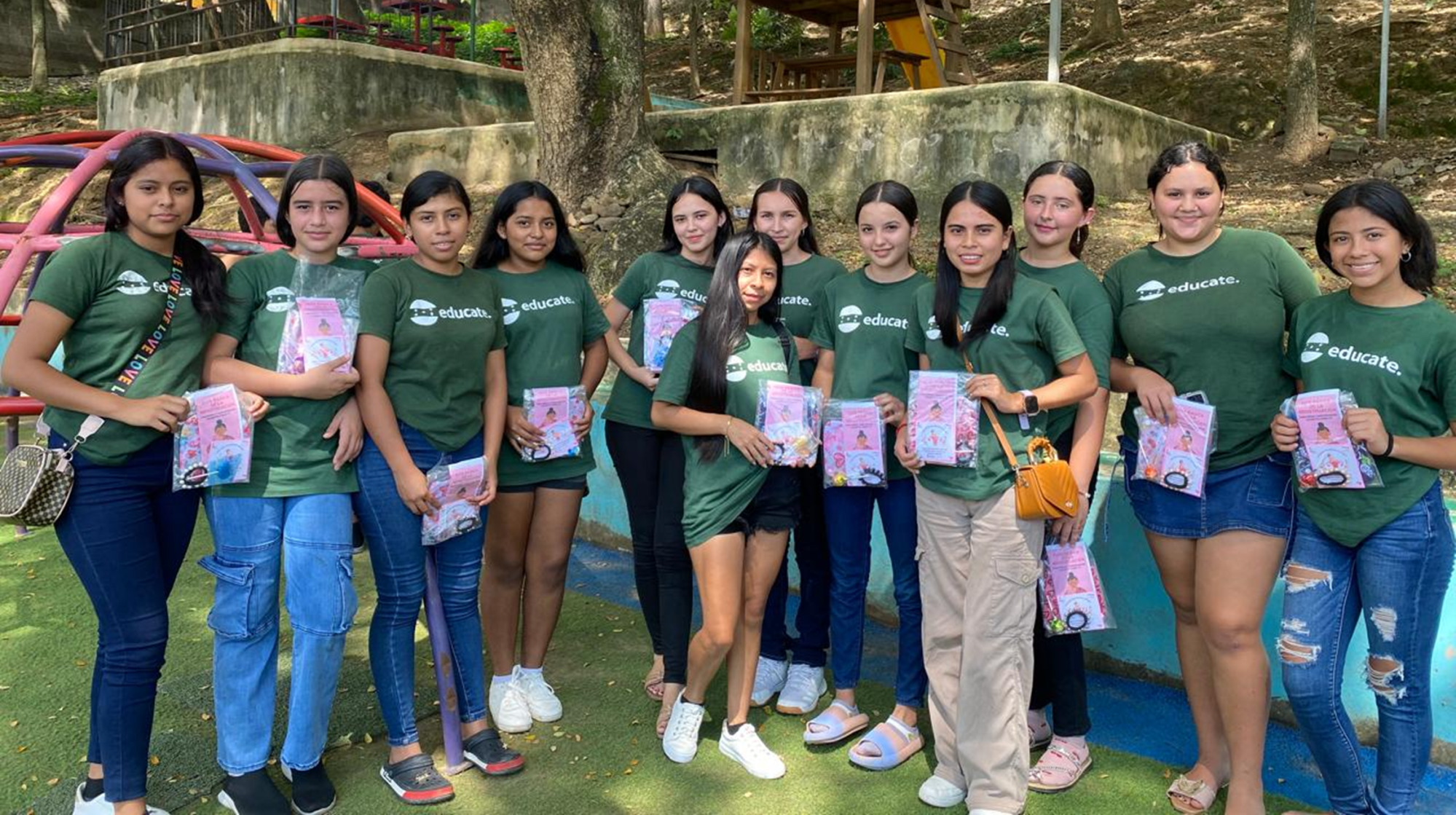
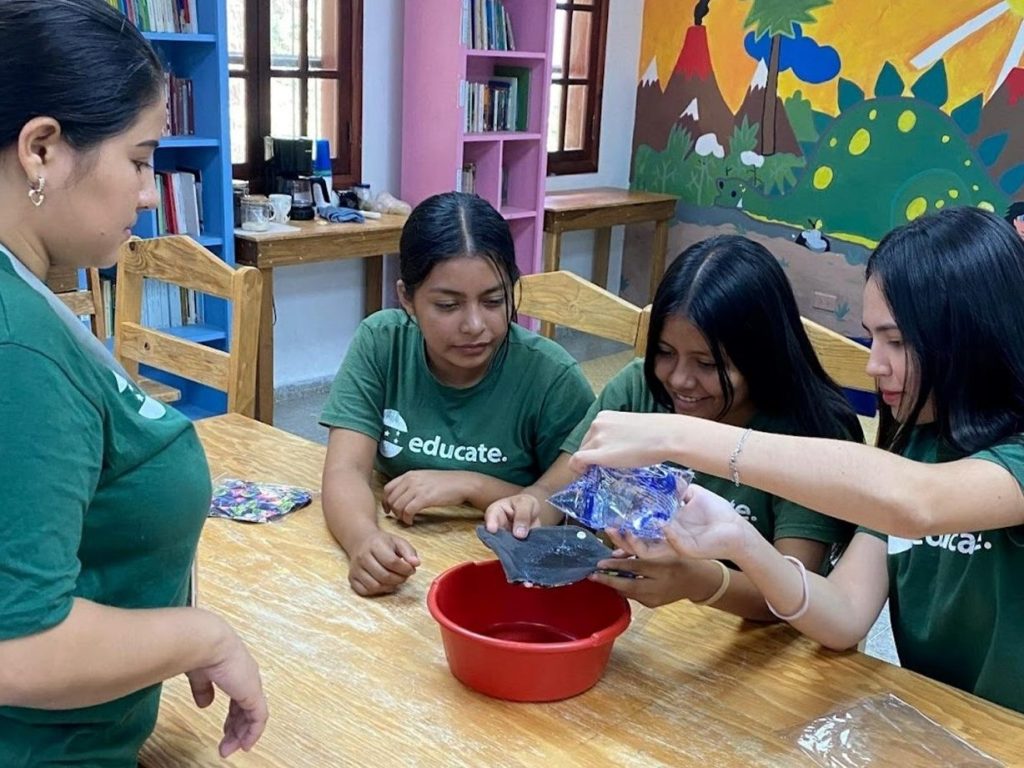
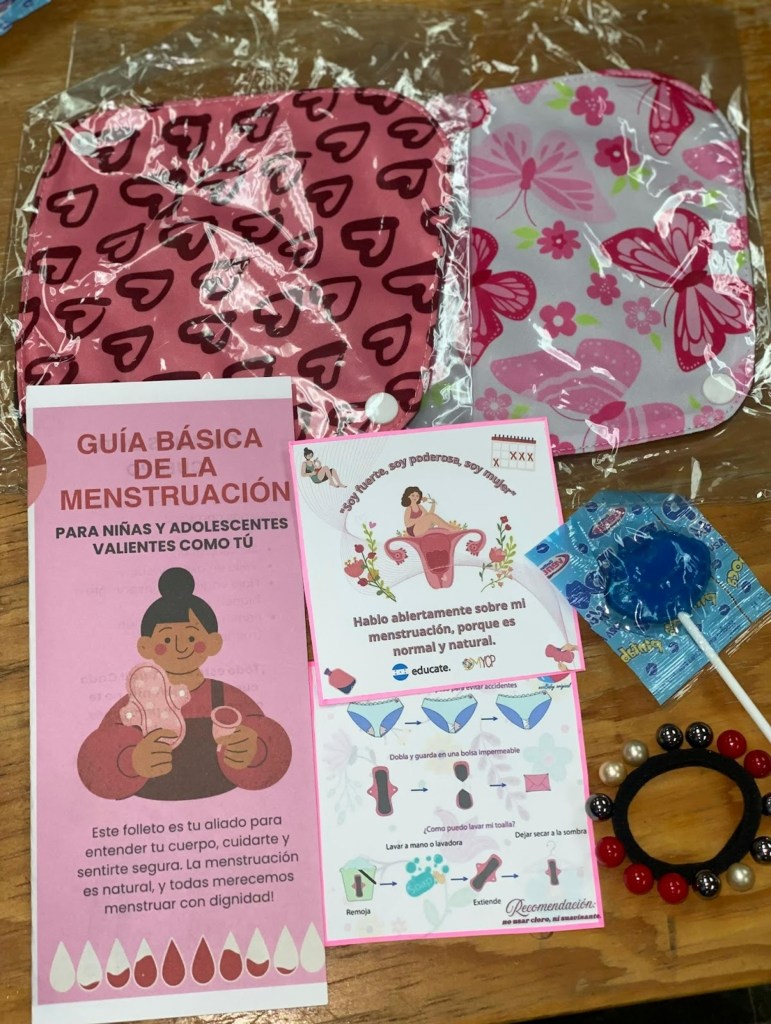
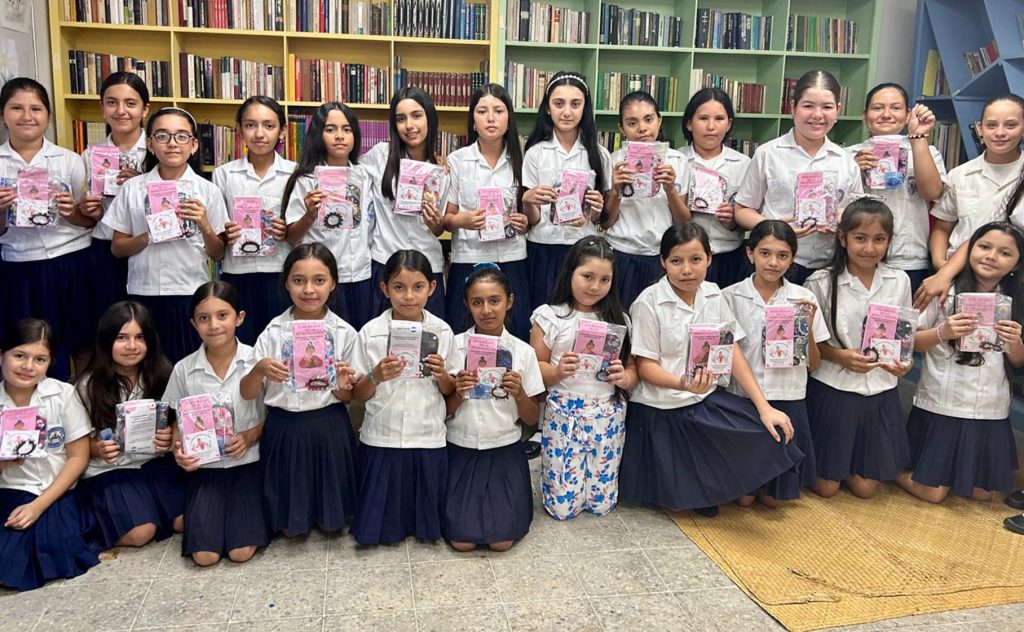
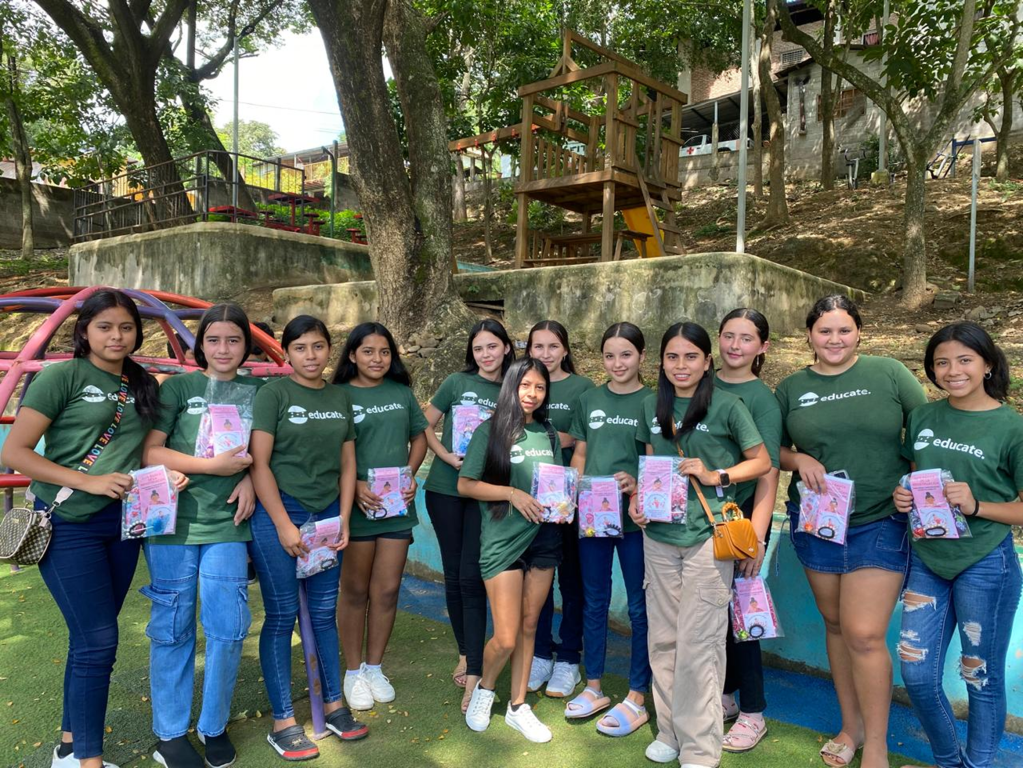
We also provided all the girls with menstrual hygiene kits, each containing reusable menstrual pads, enabling them to manage their periods with dignity and attend school consistently. Providing these resources helps ensure that girls can manage their periods with confidence, reducing one of the many barriers that can keep girls out of school.
Beyond the numbers, the project helped normalize conversations about menstruation and gender equality. For many participants, these spaces represented the first time they had the opportunity to talk openly about their bodies. One girl shared how transformative the experience was for her:
“Before the workshops, I didn’t know much about my body or how to take care of myself. Sometimes I was embarrassed to ask questions because I thought my doubts weren’t important. When I had my period, I felt insecure and preferred to stay quiet because I didn’t know if what was happening to me was normal.
In these workshops, I learned that all girls experience these changes and that I have the right to receive information. Now I understand my body better and feel more at ease, without fear of talking about these topics. The reusable pads they gave us have helped me manage my period with more confidence and come to school without worry.”
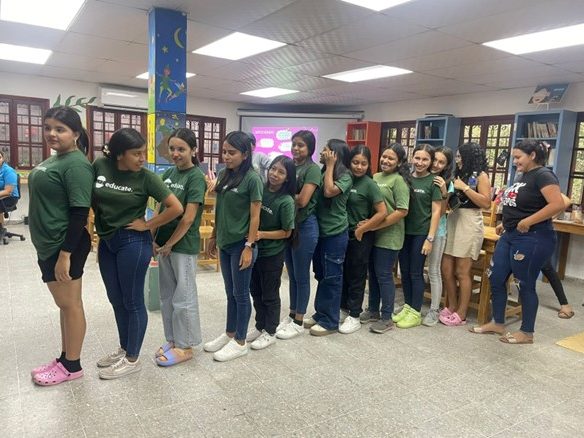
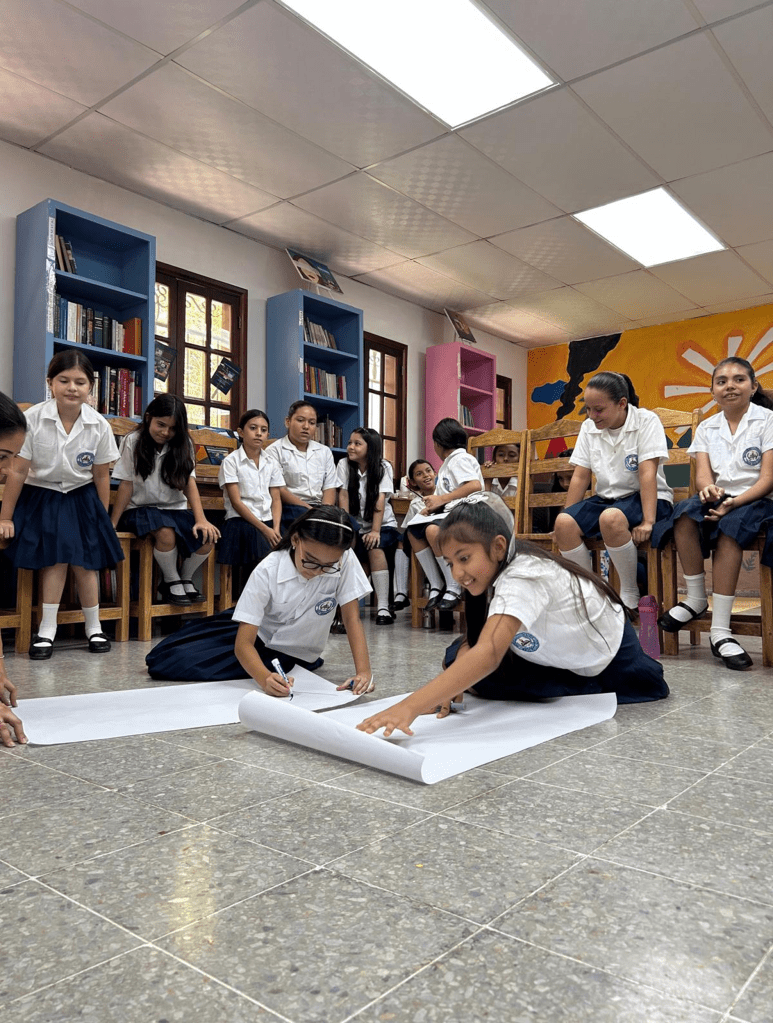
Facilitator trainingAdolescent girls participating in a workshop
Girls Leading the Way
A central goal of the project was to foster girl leadership and peer learning. The project trained four girls as peer facilitators who co-led workshops. These trained facilitators became powerful examples of girls leading and supporting other girls. One of the participants shared:
“I liked that the facilitators were girls like us because I felt safer sharing what I was feeling. I also realized that I’m not alone and that together we can support each other. Now I want to continue studying and teach other girls how to overcome their shame and take care of themselves.”
Aside from making workshops more approachable, seeing girls step into leadership roles helped challenge the idea that girls should remain silent about topics like menstruation, sexuality, and gender equality.
Primary school students in a workshopMenstrual hygiene kits
The Importance of Safe Spaces for Girls
Creating a safe environment was essential. At the beginning of many sessions, girls were shy or embarrassed to talk about topics like menstruation and sexuality. These reactions highlighted just how rarely girls are given spaces to talk openly about these experiences, and reinforced the importance of these sessions.
Workshop facilitator and project leader Nicolle Paz reflected on the impact of the project, saying:
“This process has been such an enriching experience. As a facilitator, I had the opportunity to train girl mentors to replicate the workshops and it filled me with satisfaction to see how they embraced the content and gained the confidence to share it with other young people. In each session, the girls arrived shy and blushed when they heard about topics like menstruation, gender, and sexual health, but little by little they understood that this knowledge is a natural and essential part of their development. By the end, many expressed their desire to help other girls and share what they had learned, confirming for me the importance of creating these safe spaces.”
Through interactive activities and peer-led facilitation, the atmosphere gradually changed from one of nervousness to one of confidence. As trust grew, girls began asking questions, sharing experiences, and supporting one another.
Parents also expressed their appreciation for these spaces. One mother told us:
“I’m so glad these spaces exist for our girls. Sometimes they don’t feel comfortable talking about these topics at home, and for some who have grown up with only their father, it’s even more difficult. Here they feel safe, they learn, and they can ask questions they might not dare to ask us.”
Primary school workshop participants with their menstrual hygiene kits
Lessons Learned
The project reinforced several important lessons:
First, safe spaces for girls matter deeply. When girls feel respected, supported, and listened to, they are much more willing to engage with sensitive topics.
Second, peer learning is powerful. Girls often feel more comfortable learning from and talking with other girls who share similar experiences.
Finally, combining education with practical resources – like menstrual health kits – helps build trust and ensures that the information provided can be put into practice in everyday life.
Adolescent girls with their menstrual hygiene kitsOne of our girl facilitators leading a Girls’ Rights card game session
Taking These Learnings Forward
Through this project, beyond the numbers of participants, what stands out are changes that the girls experience in their daily lives as a result of this support. After the workshops, participants expressed feeling more confident talking about their bodies, better prepared to manage their menstrual cycles, and more motivated and confident in their abilities to continue attending school without interruption. The process also planted seeds of leadership, with several girls showing interest in taking on leadership roles as facilitators in the future. Through strengthening the Youth Center as a permanent safe space for girls, we are building a sustainable foundation that will allow this knowledge to continue growing within the community, led by the young women themselves.
LeadHers of Tomorrow was designed as a pilot initiative focused specifically on menstrual justice, but the experience created a strong foundation for further work on gender justice and sexuality education.
In 2026, we are taking this work forward with a variety of powerful partnerships:
This year, we are proud members of the second Ellas al Frente cohort with She’s the First and Girl Rising, a network of leading girls rights organizations across northern Central America. As part of this powerful group of women leaders we are furthering our work for girls in rural communities, ensuring they have access to the information they need about their bodies and rights.
Additionally, we are working with the German-Honduran Society on a year-long Comprehensive Sexuality Education (CSE) project that is training young leaders – both young women and men – as sexual health educators in rural communities. By engaging teachers, parents, and young people, we are working to ensure that rural youth are equipped with the information, spaces and opportunities to take care of their bodies, build healthy relationships, prevent unwanted pregnancies, and advocate for themselves.
Finally, as part of the HEEL Initiative with Global Fund for Children, we are expanding our programming to engage boys and young men in conversations about gender equality and healthy masculinities. Achieving gender justice requires not only empowering girls, but also encouraging boys to become allies in building more equitable communities, and questioning gender norms around what it means to be a man in the world today.
By centering young people’s voices, experiences, and leadership, our work continues to demonstrate how community-based education can help youth challenge stigmas, support one another, and imagine new possibilities for their futures and for the world.

 educate.